A free, two-day convening exploring what restorative justice can make possible in law, in community, and in the lives of people most directly affected by harm.
Approved by The Florida Bar for 9 general CLE credits.
Thursday film screening at 2:45 p.m.; Friday concludes at 2:30 p.m.
Why this gathering
Justice is not one conversation.
Restorative justice begins from a different set of questions than the ones our legal system usually asks.
01Who was harmed?
02What do they need?
03What accountability is meaningful?
04What would repair require?
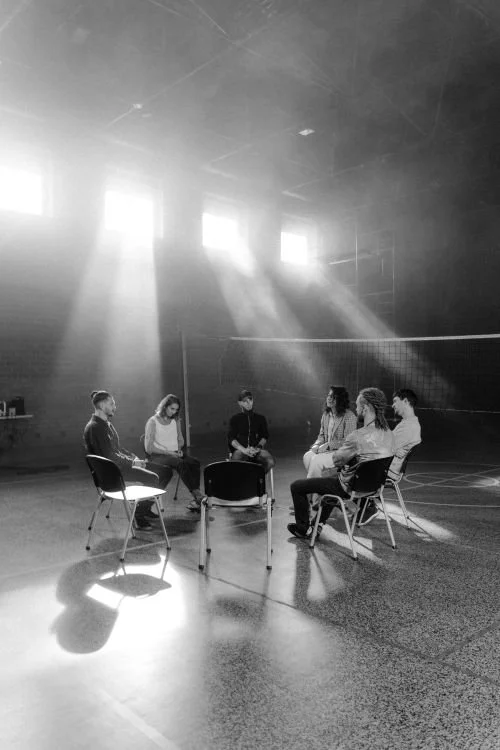
Over two days, roughly 100–150 scholars, attorneys, judges, program leaders, students, advocates, and people directly impacted by harm and incarceration will sit with those questions together. The conference treats restorative justice as both an intellectual framework and a practical response to harm, with candid attention to its promise, its limitations, and the conditions required for meaningful accountability, healing, and repair.
Four perspectives · One sustained dialogue
The same questions, asked from four vantage points.
01
Scholarship & Thought Leadership
Restorative justice as a legal, moral, and institutional framework.
02
Inside the Legal System
The possibilities and limits of restorative approaches in courts, corrections, supervision, sentencing, and legal practice.
03
Community Practice
Relationship-centered programs, facilitation, implementation, and sustainability.
04
Directly Impacted Voices
Lived experiences of harm, punishment, accountability, healing, and repair.
The program
Two complementary days.
Day One · Thursday, October 29
Foundations, victim rights, and restorative practice.
Choose concurrent sessions on scholarship and legal practice, restorative justice fundamentals, victim-survivors’ rights, and accountability. Stay for a facilitated discussion, followed at 2:45 p.m. by short films with Leigh Scott and Julius Irving: Uncarcerated and The Silent (R)evolution. See screening details.
Day Two · Friday, October 30
Practice, lived experience, and next steps.
Explore concurrent sessions on community-led change, diversion programs, and community-based restorative practices. Hear directly impacted voices, join an 11:45 a.m. Lunch & Learn with State Attorneys Melissa Nelson and Brian Kramer, and close with a conversation about next steps.
Professor of Law & James Edgar Hervey '50 Chair of Litigation; Faculty Co-Director, Center for Racial and Economic Justice
UC Law San Francisco
Amy Dallas
Program Director
CUNY Institute for State & Local Governance
Janelle Edens
Executive Director
Connection First
Julie and Michael McBride
Family Members Directly Impacted by Serious Harm
Lived Experience
Plan your visit
Getting here.
Location
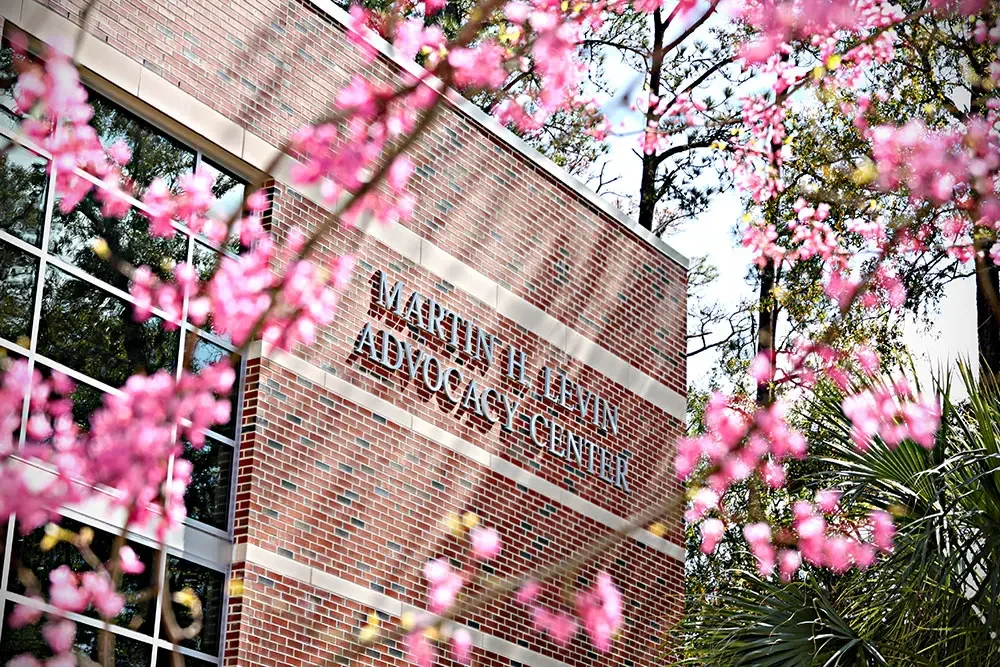
MLAC 106 UF Levin College of Law
309 Village Drive Gainesville, FL 32611
Parking
UF regulates visitor parking during weekday permit hours, and a one-day permit may be required. Event-specific arrival instructions will be emailed to registered attendees.
Meals & access
Breakfast and lunch are included on both conference days. Request accommodations during registration or write to rjconference2026@gmail.com.
Registration is free. Students, faculty, legal professionals, practitioners, correctional and reentry partners, advocates, community members, and people with lived experience are all welcome in the room.